QUICK ANSWER
What makes a useful garment sample comment?
A useful comment identifies the sample version and size, names the garment area or point of measure, records the current result, gives a target or visual reference, assigns a priority and leaves a clear approval status. Keep one requested change per numbered row.
DOWNLOADABLE TEMPLATE
Start with a controlled comment log.
The CSV opens in Excel, WPS, Google Sheets and most spreadsheet tools. It contains headers only, so your product information and supplier communication remain private on your own device.
Download the CSV template ↗No sign-up. No customer data is sent to this website when you download the file.
THE COMMENT LOG
Fields that prevent ambiguous revisions
| Field | What to record |
|---|---|
| Sample version & size | The exact garment being reviewed, including sample round, size, fabric and review date. |
| Area / point of measure | A named construction area or the same measurement code used in the tech pack. |
| Current and target result | Actual measurement or observed issue, followed by one requested target or reference. |
| Tolerance | The acceptable range where a measurement tolerance has been agreed. |
| Priority & owner | Critical, required before bulk, or future preference; plus the person responsible for the response. |
| Status & approval | Open, revised or approved, with the version and date that closes the comment. |
CLEARER INSTRUCTIONS
Replace impressions with verifiable changes
Fit
Instead of “make the top looser”, write: “Size M half chest, measured 2.5 cm below armhole: sample 54 cm; target 56 cm; keep armhole depth unchanged.”
Construction
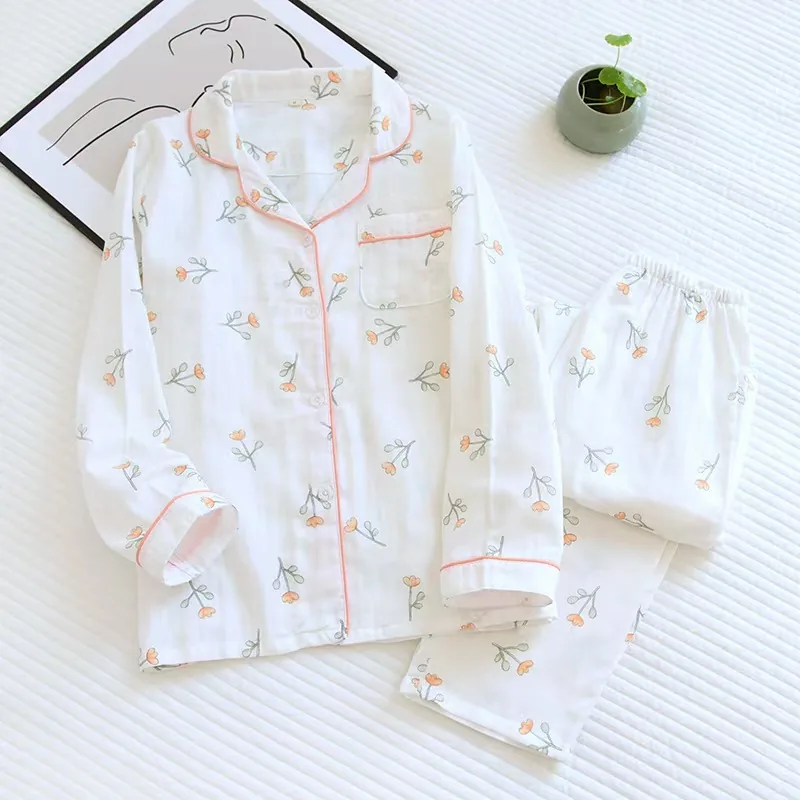
Instead of “fix the piping”, identify the edge, finished piping width, acceptable continuity at joins and the photograph showing the issue.
Labels and packaging
Record label artwork version, finished dimensions, position and orientation. Treat hangtags, barcodes, folding and bag requirements as approval items rather than leaving them in separate messages.
CONTROLLED REVIEW
A five-step sample comment workflow
- Identify: photograph and label the exact sample version, size and material.
- Measure: follow the point-of-measure method in the tech pack.
- Comment: use one numbered row for each requested change.
- Consolidate: issue one final file rather than splitting decisions across chat and email.
- Close: record the revised result and approval status before bulk production.
Pair this sheet with the pajama tech pack checklist and our pattern and sampling process.
FACTORY TERMS
How sample revisions work with NAIDI PAJAMAS
Sample fees are quoted by style and process and paid in full before development. A revised sample costs 70% of the original sample fee. Simple styles take 7–12 calendar days and complex styles take 15–20 calendar days, counted after full sample payment. Your design and size chart form the project specification.
BUYER FAQ
Before sending comments
Should every comment include a number?
Yes. Stable numbers make replies, photographs and approvals traceable across revisions.
Can photographs replace measurements?
Photographs help identify appearance and location, but dimensional changes should also state the measurement method and target.
Should comments be split across email and WhatsApp?
Use those channels to discuss questions, then consolidate final decisions in one controlled document.
Who supplies the size chart?
The buyer supplies the target measurement chart for custom production. Generic regional size charts are planning references only.