Branding starts after the product brief is clear
Define the style, measurements, fabric, colour, trims, quantity and size breakdown. Brand items should connect to the same approved garment specification and sample.
06 / PRIVATE LABEL
Outline labels, trims, packaging and care instructions as part of your product brief. Confirm artwork, compliance requirements and costs during quotation.
Need garment development as well as branding? Start with our private label pajama manufacturing service to discuss fabric, fit, sampling and production. This page covers the label and packaging details to prepare for your collection.
Define the style, measurements, fabric, colour, trims, quantity and size breakdown. Brand items should connect to the same approved garment specification and sample.
Share vector artwork, finished dimensions, colours, material preference, fold, placement and attachment method. Connect size codes to the current measurement chart and SKU list.
Provide buyer-approved fibre and care content, language or symbol requirements, dimensions and placement. The brand or importer confirms applicable destination-market requirements.
Specify stock, size, finish, string, sticker, barcode, SKU and placement. Keep artwork versions and colour/size data in one controlled register.
List folding, tissue, inserts, bag or box, closure, artwork, stickers, units per carton, assortment and carton marks. Special minimums, availability and costs are checked with the quotation.
Approve artwork proofs, physical references where required and placement on the garment sample. Release only current files and check representative packed units against the approved handoff.
Use the label and packaging checklist →Prepare the fabric specification →IN PICTURES
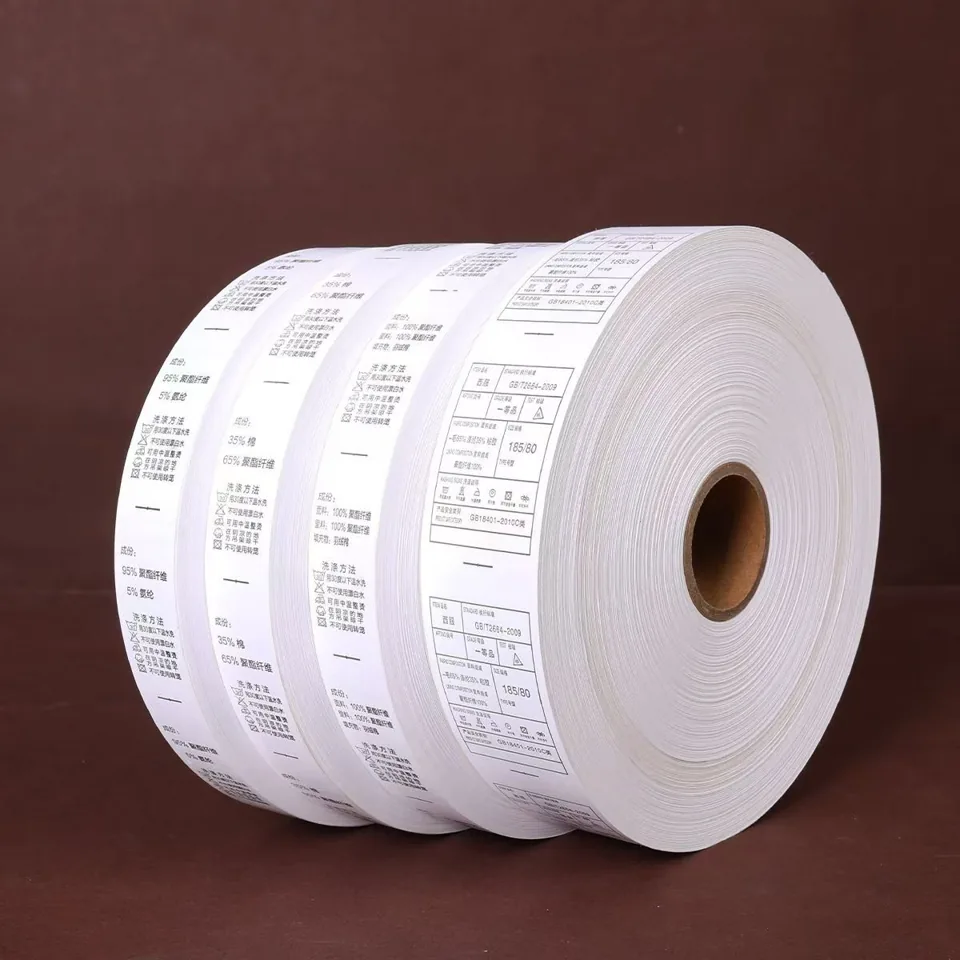
This real supplied photograph shows a printed care-label reference. Final fibre content, care wording, symbols, dimensions and placement follow the buyer brief and destination-market review.
PACKAGING DIRECTION
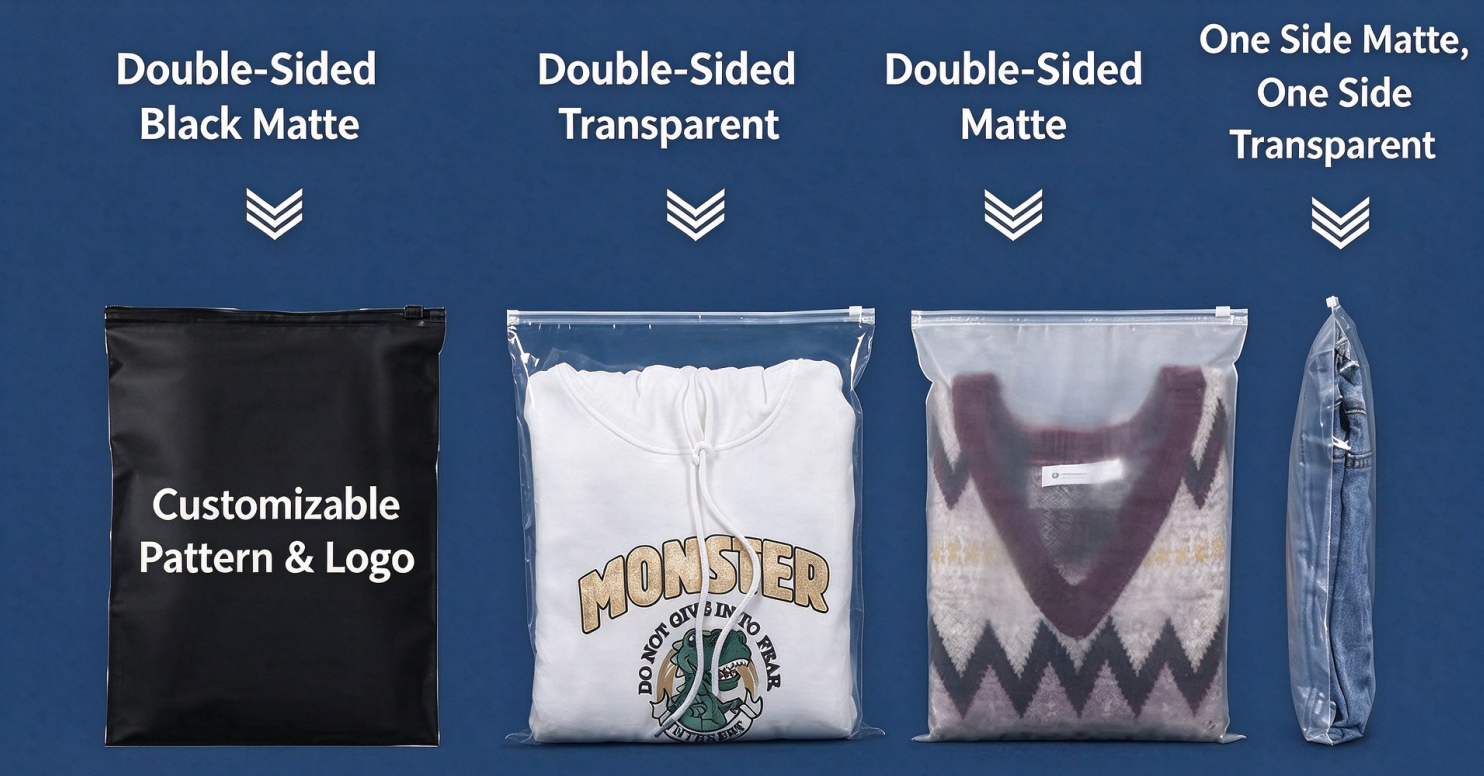
This owner-supplied reference shows matte and transparent garment-bag directions that can be discussed with your private-label brief. Final bag material, dimensions, artwork, closure, compliance requirements, supplier minimums and costs are confirmed for the approved style and order.
HANGTAG DIRECTION
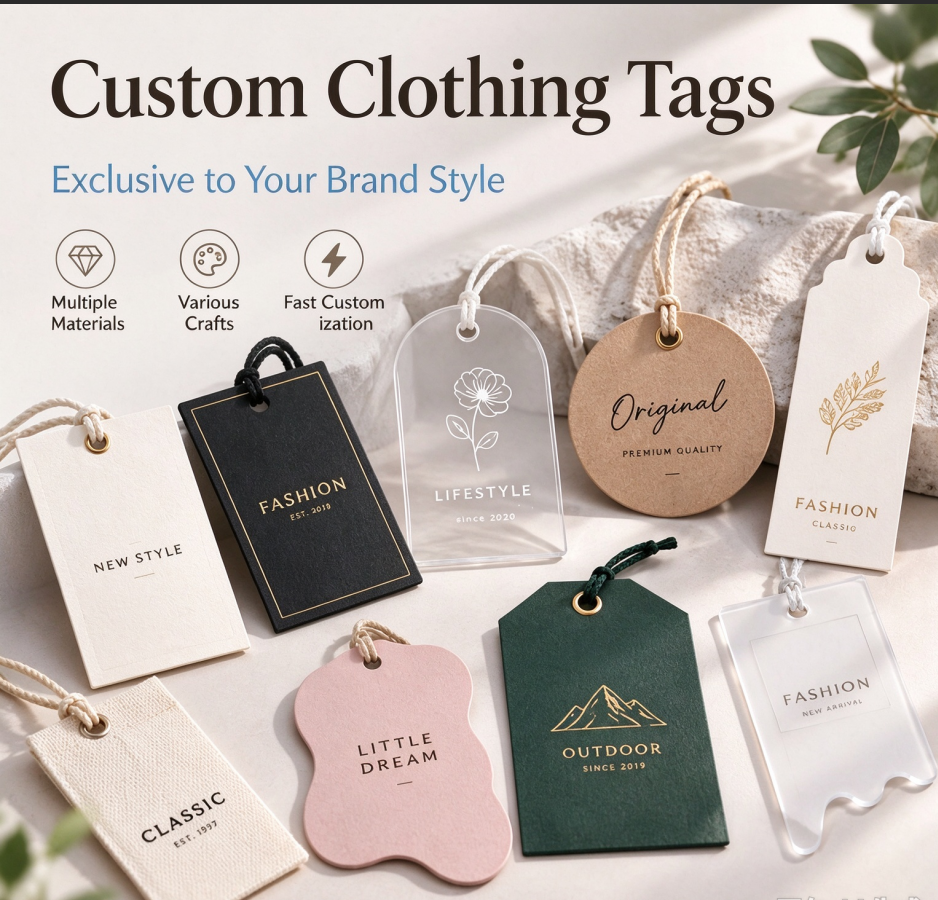
This owner-supplied reference shows generic hangtag directions that can be discussed with a private-label brief. Final tag stock, material, shape, dimensions, string, artwork, barcode or SKU data, minimums, compliance requirements, availability and costs are confirmed with the approved style and order.
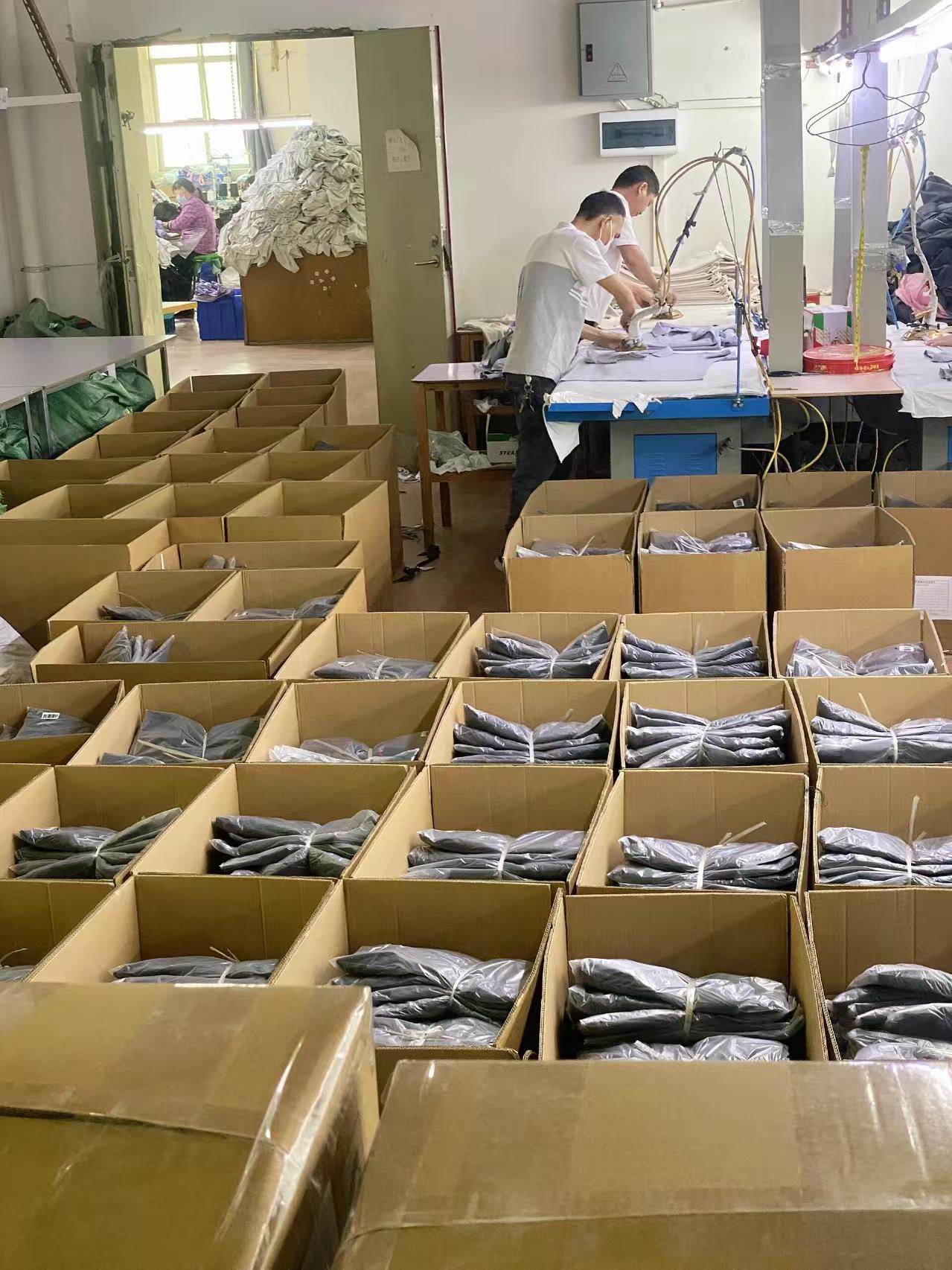
OWNER-SUPPLIED PACK-OUT EVIDENCE
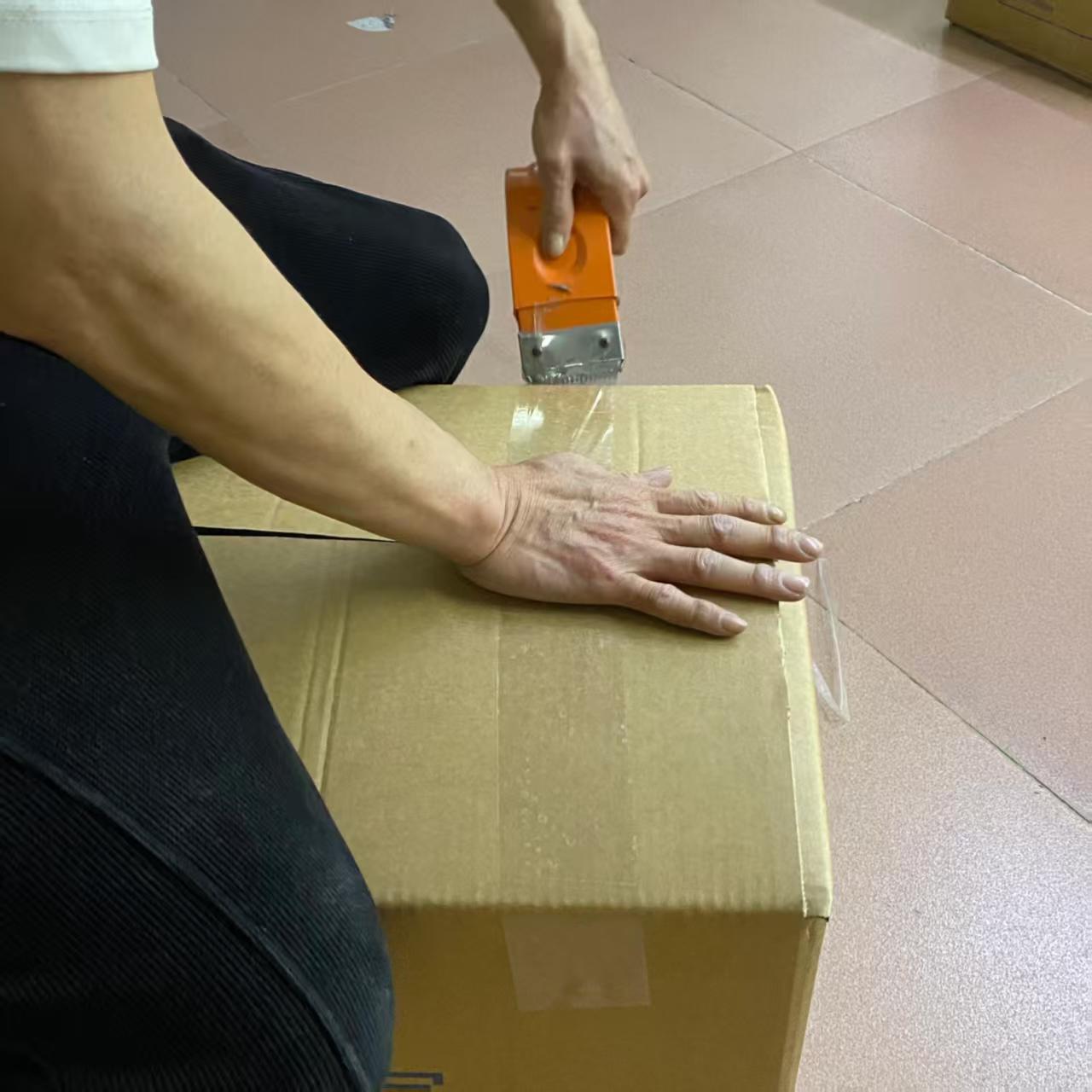
These owner-supplied photographs show cartons being sealed and packed goods being organised in the factory pack-out area. They show work context only; they do not identify a customer, brand, order quantity, packing specification or shipment destination. Final unit packaging, carton assortments, carton marks, quantities and release instructions follow the buyer-approved packing brief.
PRIVATE LABEL PAJAMA CHECKLIST
Private label development starts with the garment specification, then adds the brand elements that must appear on the product and packaging. Send one brief so the label, placement and packing details can be reviewed with the sample.
Provide vector artwork, finished dimensions, colours, material preference and placement for each label.
Provide fibre and care text for the destination market. Final wording remains subject to the brand's compliance review.
List hangtag, sticker, bag, barcode, folding and assortment requirements, including artwork and dimensions.
Confirm artwork proofs and placement on the sample before bulk production. Any special item is costed with the quotation.
Send the style or tech pack, quantity per style and colour, measurement chart, fabric direction, destination market, label artwork, packaging requirements and target date. Our MOQ is 100 pieces per style per colour.
Prepare your development brief →Use the label and packaging approval checklist →PACKING DATA HANDOFF
Keep artwork, retail data, assortment rules and carton instructions tied to the current style, colour and size matrix.
Provide buyer-controlled style, colour, size, SKU and barcode values for each combination.
Approve fold, labels, tags, stickers, inserts and individual packaging by version.
Define mixed or solid cartons, units per carton, sequence and carton-mark artwork.
Match packed quantities, carton totals and packing-list data before release.
Final requirements depend on the brand, order and destination. The brand or importer confirms retail data and destination-market requirements with its adviser.
Use the carton packing guide →Download the packing sheet →Discuss your private-label brief →BUYER QUESTIONS
Send the style or tech pack, fabric direction, measurement chart, quantities, destination market, label artwork, packaging requirements and timing.
Yes. Provide current artwork, dimensions, materials, colours, placement and packing instructions for feasibility and quotation.
The standard minimum is 100 pieces per style per colour. Special labels, trims and packaging can have separate supplier minimums confirmed with the brief.
The brand or importer confirms applicable destination-market content with its adviser. The factory works from the approved production files.
Approve artwork and specifications, then confirm physical appearance and placement with the garment sample before bulk production.
LET’S TALK ABOUT YOUR COLLECTION
Tell Jamie what you have in mind. Minimum order: 100 pieces per style per colour.
Use the production handoff checklist → Send the project brief →
Prepare the pre-shipment inspection → Send the project brief →