BUYER GUIDE / 07
What should a pajama brand approve before labels and packaging go into production?
Freeze the artwork, wording, dimensions, materials, placement, attachment method and packing instructions before production. Your factory can execute the approved specification, while your brand or importer must confirm the legal requirements for every destination market.
Use one approval register for every branded item
| Item | What the brand should approve | Production check |
|---|---|---|
| Main brand label | Artwork version, finished size, material, colours, fold, placement and attachment | Proof and placement on the approved sample |
| Size label | Brand size system and exact size codes for each SKU | Matches the measurement chart and assortment |
| Fibre and care label | Verified composition, wording or symbols, languages and market-specific details | Legibility, durability, placement and approved content |
| Hangtag and barcode | Artwork, stock, finish, string, SKU, barcode, price field and placement | Barcode scan and SKU match |
| Individual packaging | Bag or box material, size, print, warnings, stickers and folding method | Garment fit, artwork and packing presentation |
| Shipping carton | Carton size, assortment, quantity, carton marks and packing-list rules | Count, mark and assortment verification |
1. Main brand label: define the physical object
Send vector artwork and state the finished dimensions, material, background and artwork colours, fold or edge finish, exact placement and attachment method. A logo file alone does not define a production-ready label. Number the artwork version so an older file cannot be approved by mistake.
2. Size labels must follow your measurement system
There is no single universal sleepwear size system. Provide the size codes your brand will sell and connect them to the approved measurement chart, sample size and order breakdown. If you use different UK, US, EU or alpha-size references, state exactly what will print rather than asking the factory to infer a conversion.
3. Confirm fibre content only after the material is fixed
The fibre-content statement must match the confirmed fabric specification. Keep fabric construction, fibre composition and marketing descriptions separate: for example, “satin” describes a construction and does not by itself identify the fibre. Where components have different compositions, obtain market-specific advice on how each must be described.
4. Care instructions need a supportable basis
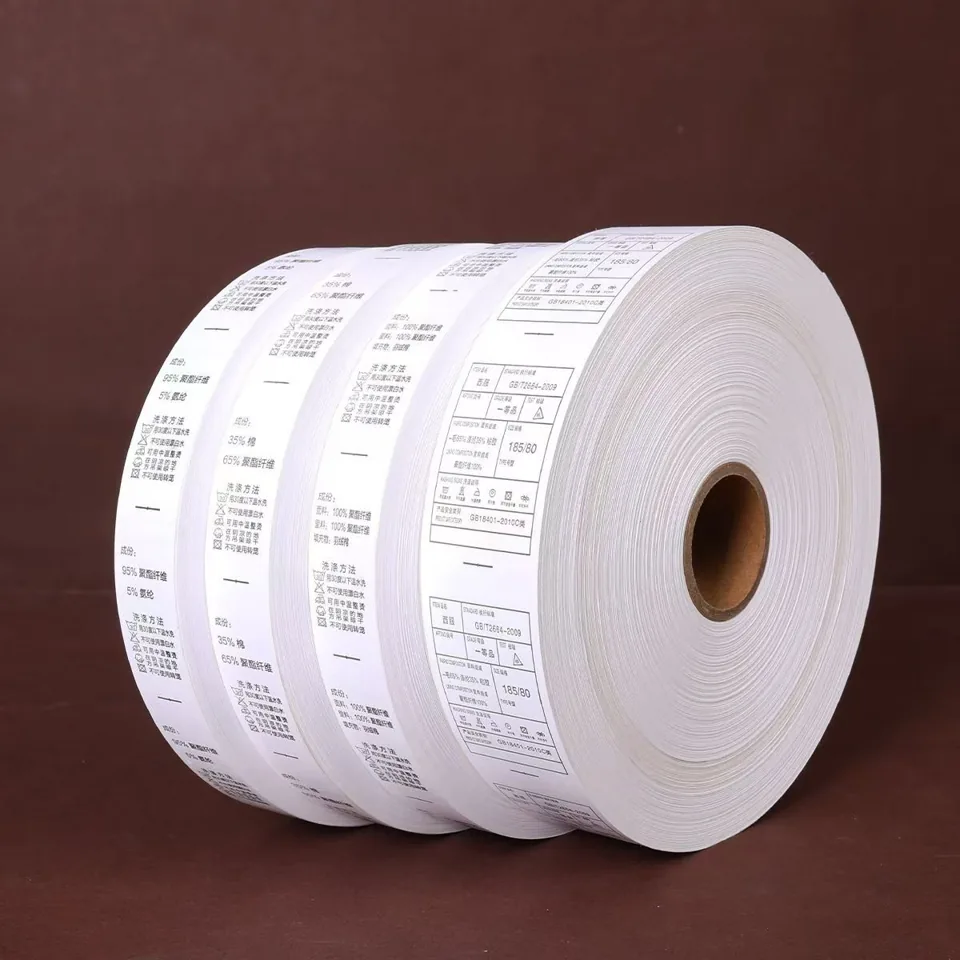
Approve the care method after reviewing the complete garment, including trims, colour, print and construction. Decide whether the label uses words, symbols or both, and which languages are needed. A photographed care label is a visual reference only; it does not prove that its content suits another style or destination market.
5. Country of origin and responsible-business details vary by market
Identify every country where the pajamas will be sold and confirm the required origin statement, responsible business, importer or dealer identification and any other mandatory information with a qualified adviser. Do not copy another brand's label or treat a supplier template as legal approval.
6. Control hangtags, barcodes and retail data by SKU
Provide each hangtag and sticker artwork with dimensions, material and finish. Map barcode, SKU, colour and size data in one controlled file. Before bulk packing, scan representative barcodes and compare the result with the approved assortment. Retail prices, product claims and promotional wording remain buyer-provided and buyer-approved.
7. Specify packaging as clearly as the garment
Define folding, tissue, inserts, bag or box type, dimensions, material, closure, print, suffocation warning where required, barcode placement, units per carton, carton marks and assortment. Packaging minimums, testing, availability and cost are confirmed against the actual brief.
8. Freeze the handoff before bulk production
Maintain one register with item name, supplier reference, artwork version, approval date, approver and status. Mark superseded files clearly. The production handoff should connect the approved garment sample, label placement, packaging mock-up, SKU list, size and colour breakdown, folding method and carton instructions.
- Approve digital artwork and specifications.
- Review physical strike-offs, samples or mock-ups when required.
- Confirm placement and appearance on the sample.
- Release only the current approved files to bulk production.
- Check representative packed units before shipment.
Official market references to start your review
For the United States, the Federal Trade Commission explains apparel labelling and its Care Labeling Rule. UK government guidance covers textile fibre-content labelling in Great Britain. EU Regulation (EU) No 1007/2011 covers textile fibre names and related fibre-composition labelling and marking. These sources are starting points rather than legal advice; requirements depend on the product, composition, sale market and your role in the supply chain.
What should you send for a private-label quotation?
Send the style or tech pack, quantity per style and colour, size breakdown, destination markets, fabric direction, artwork files, label specifications, packaging list and target timing. NAIDI PAJAMAS has a minimum order of 100 pieces per style per colour; special label and packaging minimums are checked with the actual suppliers and brief.
PREPARE YOUR PRIVATE-LABEL BRIEF
Send one controlled label and packaging file set.
Jamie can review the garment, branding and packing inputs needed for quotation and sampling. Final market compliance stays with the brand or importer and its appointed adviser.
Request a quotation ↗Review private-label manufacturing →Review ODM development →Review sampling →