NAIDI PAJAMAS

02 / ODM PAJAMA DEVELOPMENT

Develop a sleepwear collection from an early idea.

Start with your target customer, product direction, design references and commercial requirements. We help turn the agreed direction into defined styles, materials, measurements and samples before bulk production. The exact design support, outputs, ownership and approval stages are confirmed for each project.

01 / BRAND & MARKET BRIEF

Define who the collection is for

Share the destination market, intended wearer, product category, price positioning, season, launch timing and expected order quantity. Add visual references and explain which elements are inspiration, which are required and which must not be copied.
02 / RANGE DIRECTION

Turn ideas into a controlled style list

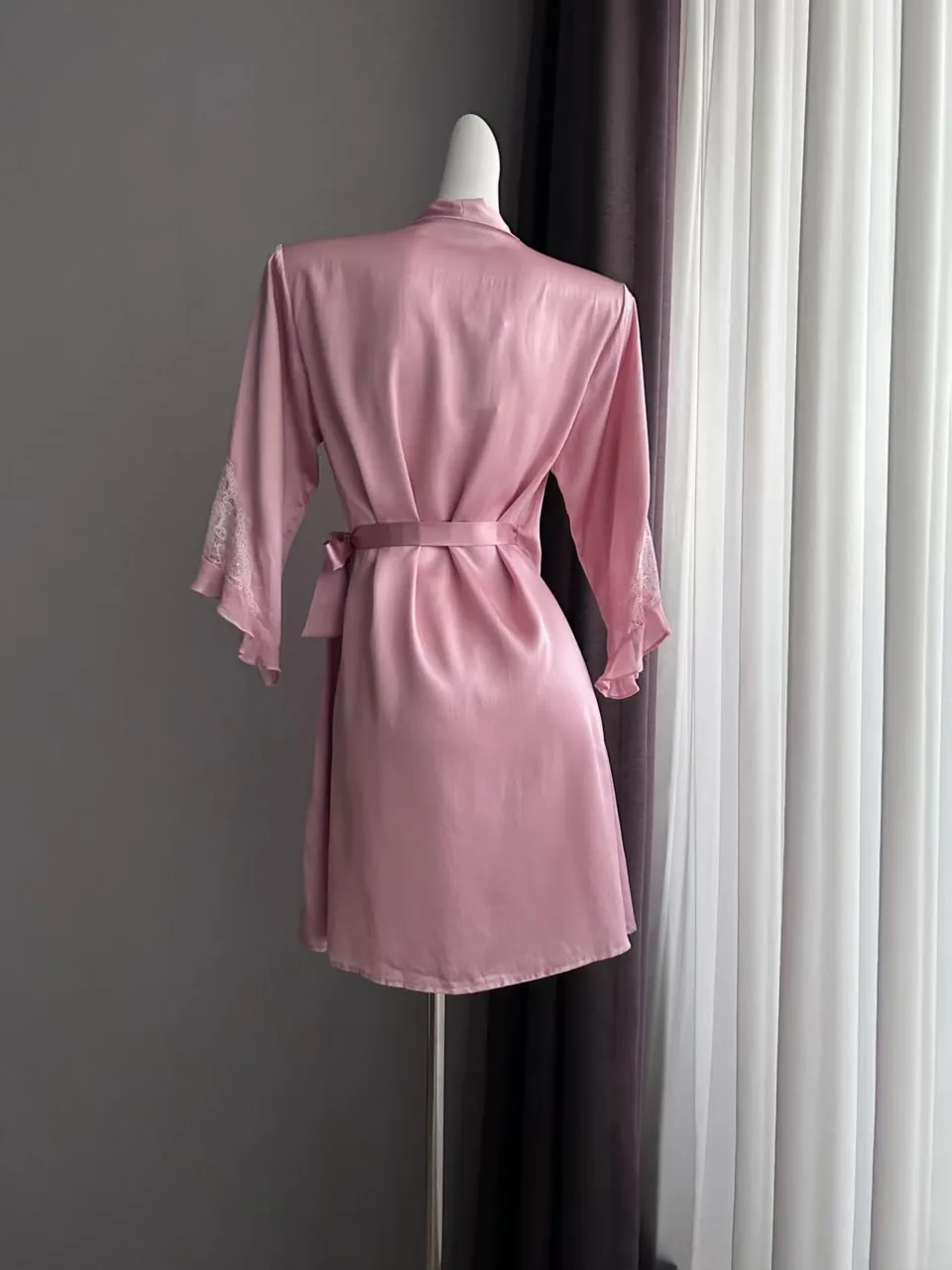
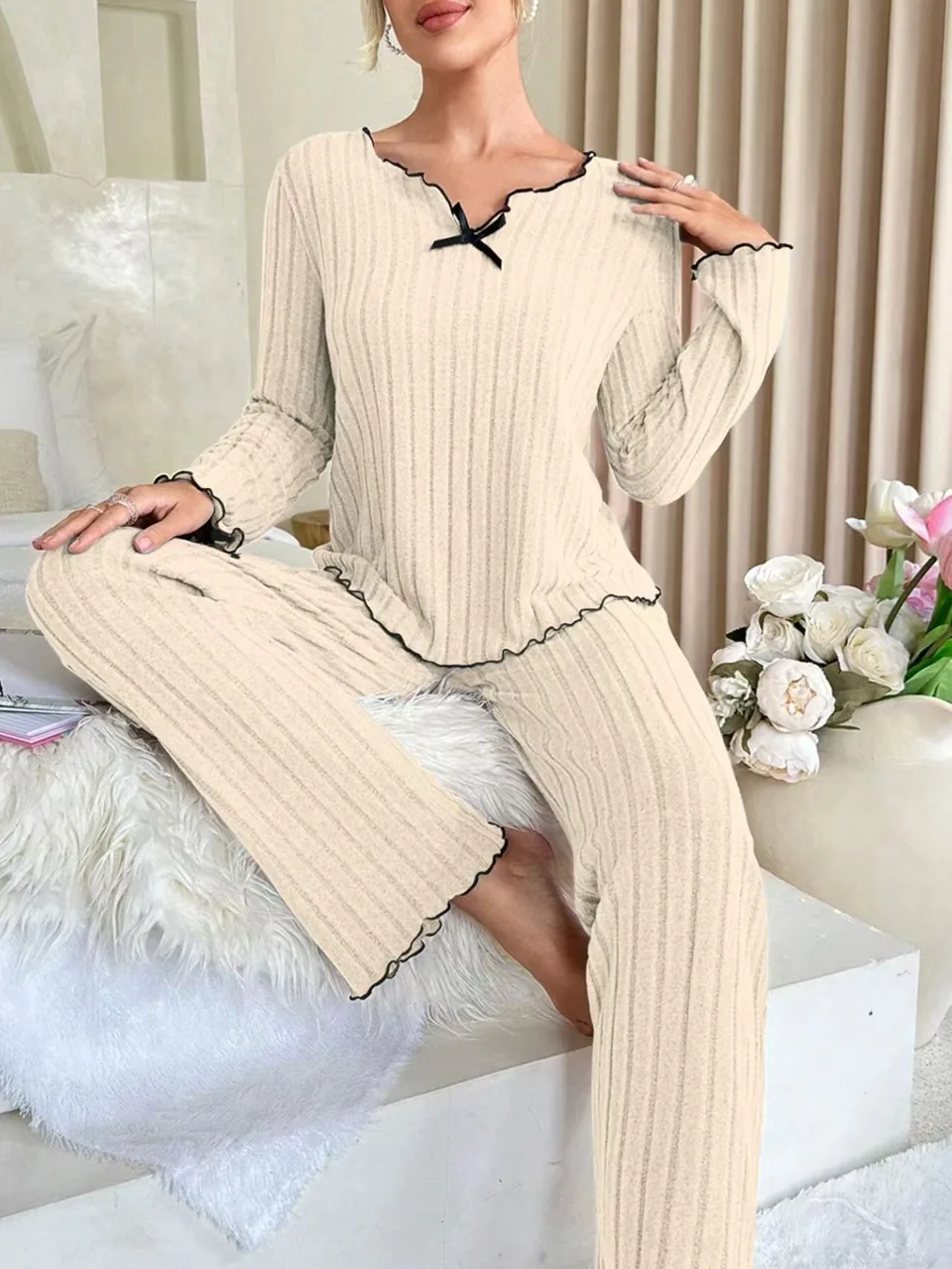
Identify the core silhouettes, colour direction, woven or knit route, size range and brand details. Start with a focused number of styles so development decisions, samples and the minimum of 100 pieces per style per colour remain commercially clear.

03 / STYLE DEFINITION

Resolve construction and fit

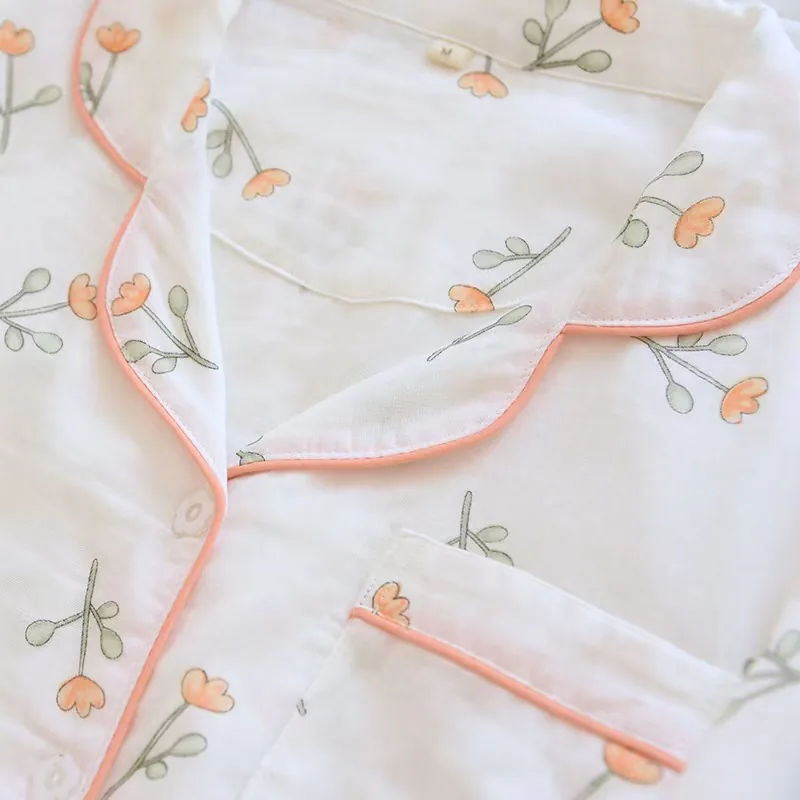
Agree collar, neckline, sleeve, hem, closure, pockets, piping, elastic, ease and intended fit. Use the woven versus knit pajama guide to choose the construction around the product result rather than a fabric name alone.

04 / FABRICS, TRIMS & BRANDING

Build a specification around the design

Define composition, construction, weight where known, colour, print or dye direction, hand feel, stretch and recovery where relevant, buttons, piping, elastic, labels and packaging. Availability, minimums, testing and costs are confirmed against the actual brief. Review fabric and trim sourcing and private-label development, then use the label and packaging approval checklist.

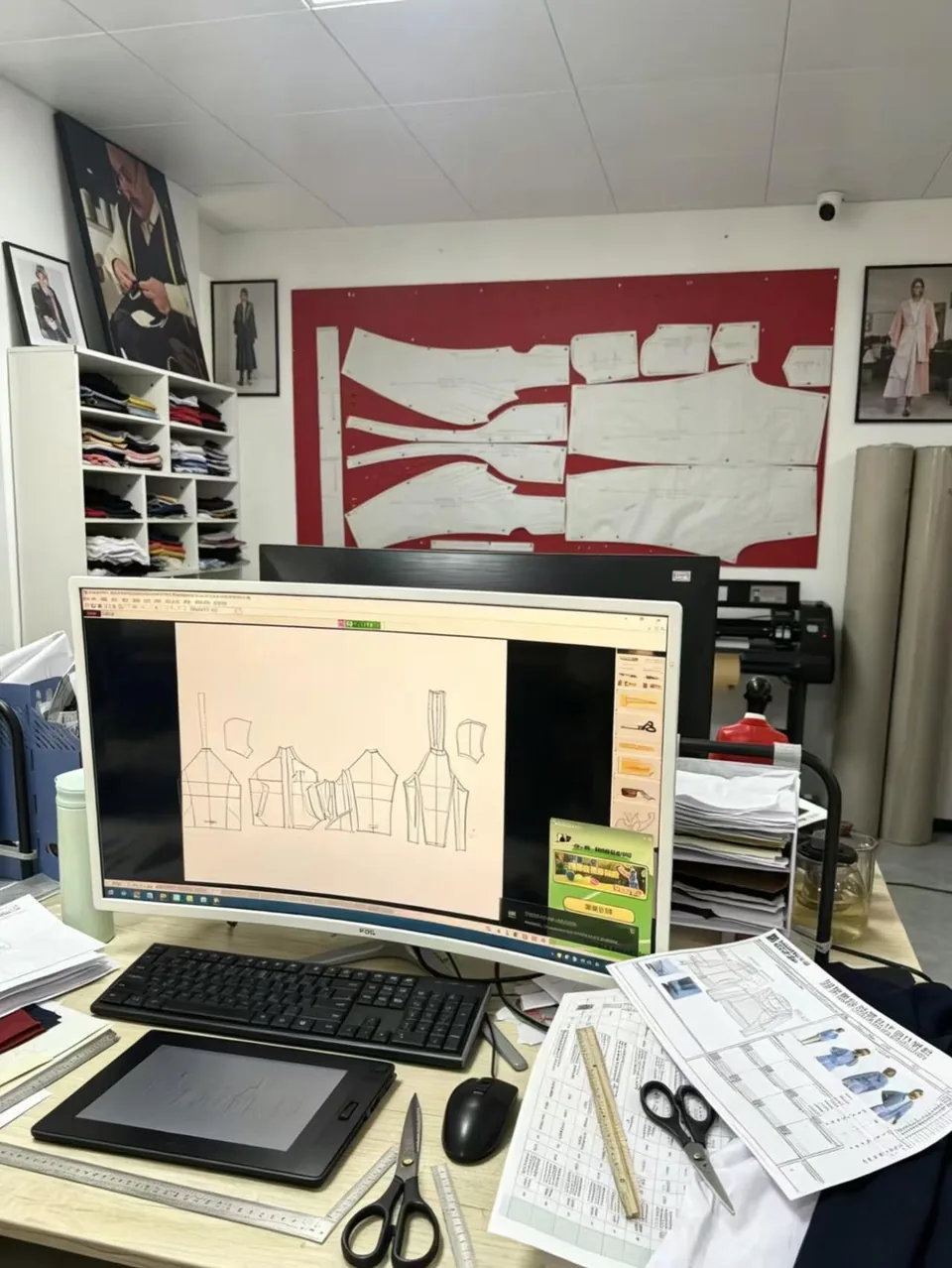
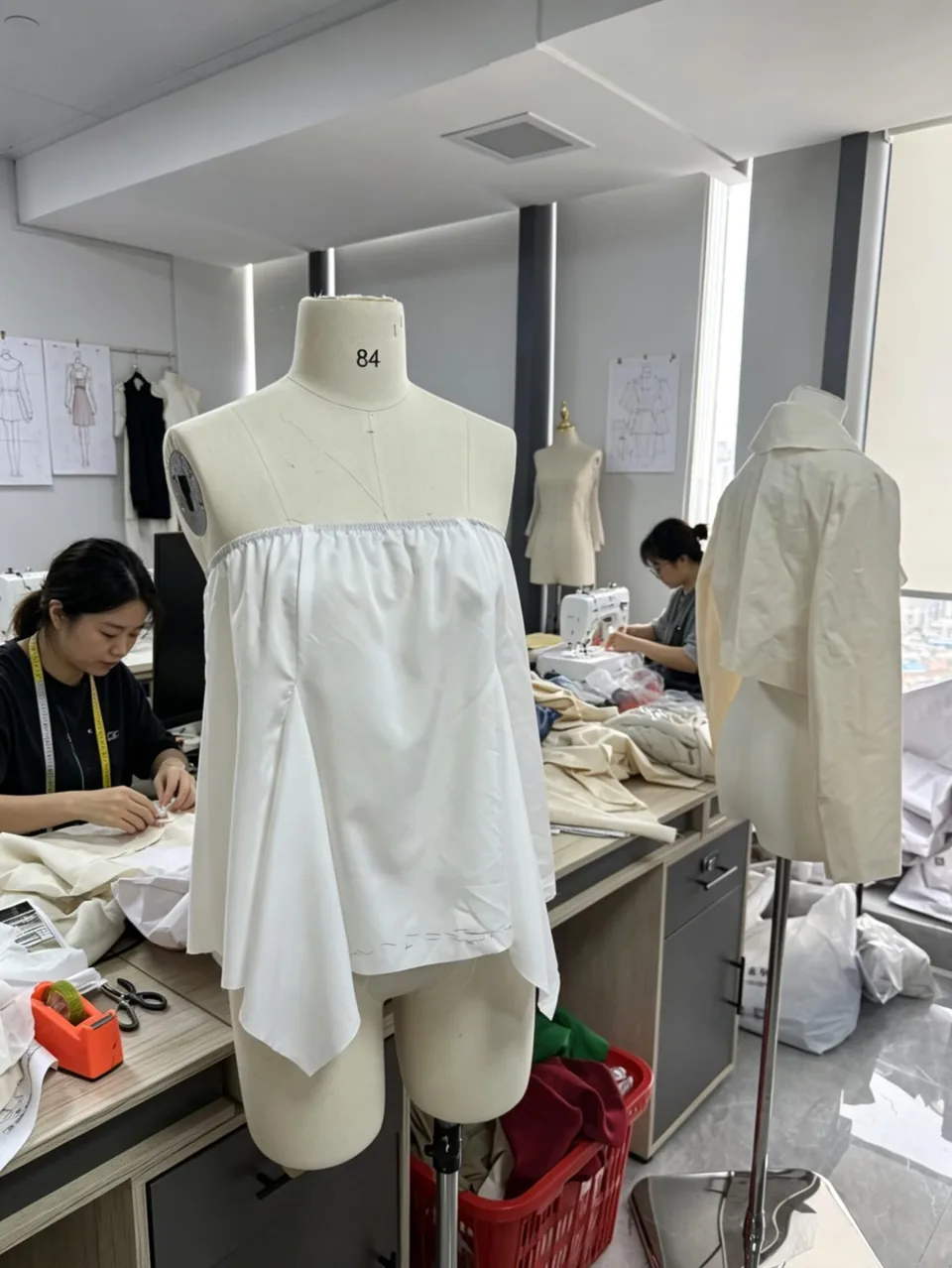
05 / PATTERN & FIRST SAMPLE

Make the first physical decision point

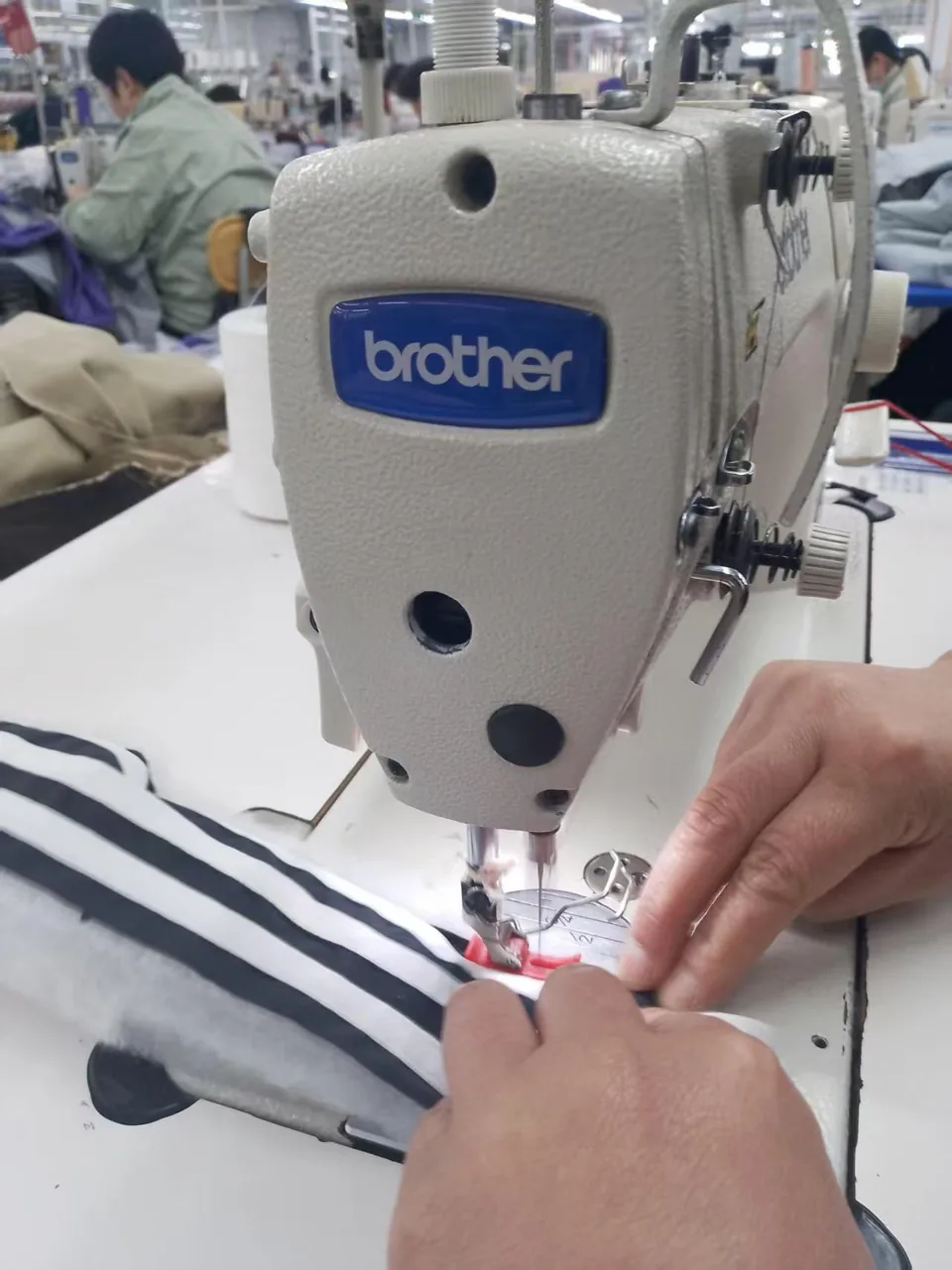
Confirm the measurement method, sample size and construction brief before pattern and sample work. Simple samples take 7–12 calendar days and complex samples 15–20, counted after full payment of the quoted sample fee. The actual sample fee is calculated from the style and process.

06 / REVIEW & REVISION

Control one version at a time

Record fit, measurements, construction, materials, trims and appearance against the sample version. Number each requested change and separate approved details from open questions. A revised sample is charged at 70% of the original sample development fee. Use the sample comment sheet and sample approval checklist.

07 / PRODUCTION HANDOFF

Freeze what bulk production will follow

Before bulk starts, confirm the approved sample, measurements, materials, construction, artwork, labels, packaging and quantity by colour and size. Bulk production takes 15–25 calendar days for simple styles and 20–35 for complex styles after receipt of the 70% deposit. The remaining 30% is paid before shipment after production photos and videos are provided.

OEM OR ODM?

Choose the starting point that matches your team.

OEM is suited to brands that already have a controlled design, tech pack or approved specification. ODM begins earlier, with a product direction or references that still need style, material, measurement and sampling decisions. Both routes require written approval before bulk production.

ODM does not mean every design decision, artwork right or technical output is automatically included. Agree the development scope, deliverables, use of references, confidentiality and ownership before paid work begins.

Compare the OEM manufacturing route →
ODM QUOTATION INPUTS

What should your brand send first?

Send your target customer and market, product categories, style or mood references, preferred fabric direction, required brand details, size range, number of styles, quantity per style and colour, target timing and the decisions you want development support to resolve.

If you have a target cost or retail position, state it as planning context rather than a guaranteed factory price. Jamie will confirm feasibility, development scope, sample fees and unresolved inputs before work begins.

Use the manufacturing quote checklist →Discuss an ODM collection →

BUYER QUESTIONS

ODM pajama development questions.

Can we start without a finished tech pack?

Yes. Start with product and market direction, visual references, target fit, fabric preferences, size range and expected quantities. The exact development outputs and missing specifications are agreed before work begins.

What is the difference between OEM and ODM pajamas?

OEM starts from a more complete brand specification. ODM starts earlier and includes agreed support to define product details before sampling. Both require an approved production specification.

Can you develop woven and knit sleepwear?

Yes. Share the product result and references so woven or knit construction, fabric direction, fit, sampling and quotation can be reviewed for each style.

Who owns the design and development files?

Ownership, permitted use of references, confidentiality and which files or outputs are included should be agreed in writing before paid development begins. The website does not create or transfer intellectual-property rights by itself.

How are sample revisions charged?

The first sample fee is quoted from the style and construction and paid in full. A revised sample is charged at 70% of the original sample development fee.

What is the minimum order after approval?

The minimum order is 100 pieces per style per colour. Material minimums, colours, trims, size breakdown and packaging still need confirmation for the project.

More answers →

LET’S TALK ABOUT YOUR COLLECTION

Request a quote.

Tell Jamie what you have in mind. Minimum order: 100 pieces per style per colour.

Open the full enquiry form →

Use the production handoff checklist → Send the project brief →