Start with the garment and intended use
Share the style, silhouette, season, target customer and destination market. Material decisions should support the product rather than rely on a fabric name alone.
04 / FABRICS & TRIMS
Define composition, weight, colour, handfeel and testing needs. Material options should be checked against actual availability and your target specification.
Share the style, silhouette, season, target customer and destination market. Material decisions should support the product rather than rely on a fabric name alone.
State target fibre composition, woven or knit construction and surface direction. If any value is still open, mark it for confirmation during sourcing and sampling.
Record target weight, usable width, agreed tolerance or a physical swatch reference. Final values and availability are confirmed for the selected material.
Describe the behaviour required for the style, including stretch direction, recovery, handfeel, drape, opacity and any shrinkage review. Approve these properties with the material and garment sample.
Provide colour or print references and list piping, elastic, thread, buttons, binding, lace and labels that must coordinate. State print scale, direction or placement where relevant.
Identify destination markets and buyer-required care or testing inputs. Method, acceptance criteria, timing, supplier availability and cost are confirmed with the actual project before approval.
Use the pajama fabric specification guide →Download the blank fabric specification sheet →IN PICTURES
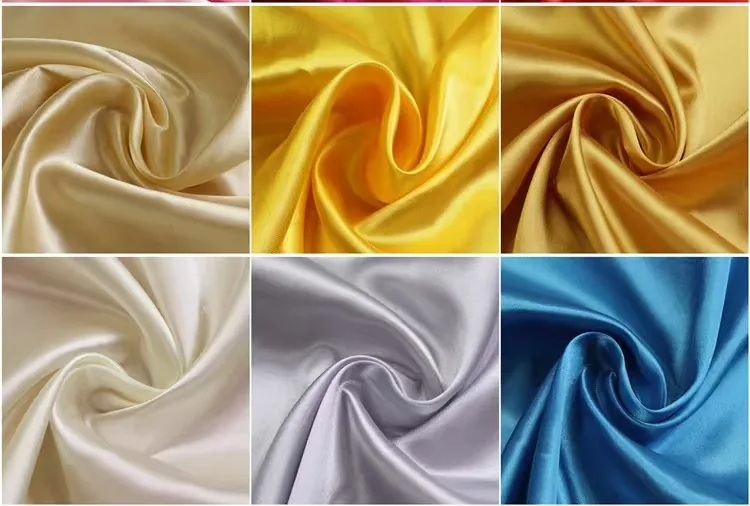
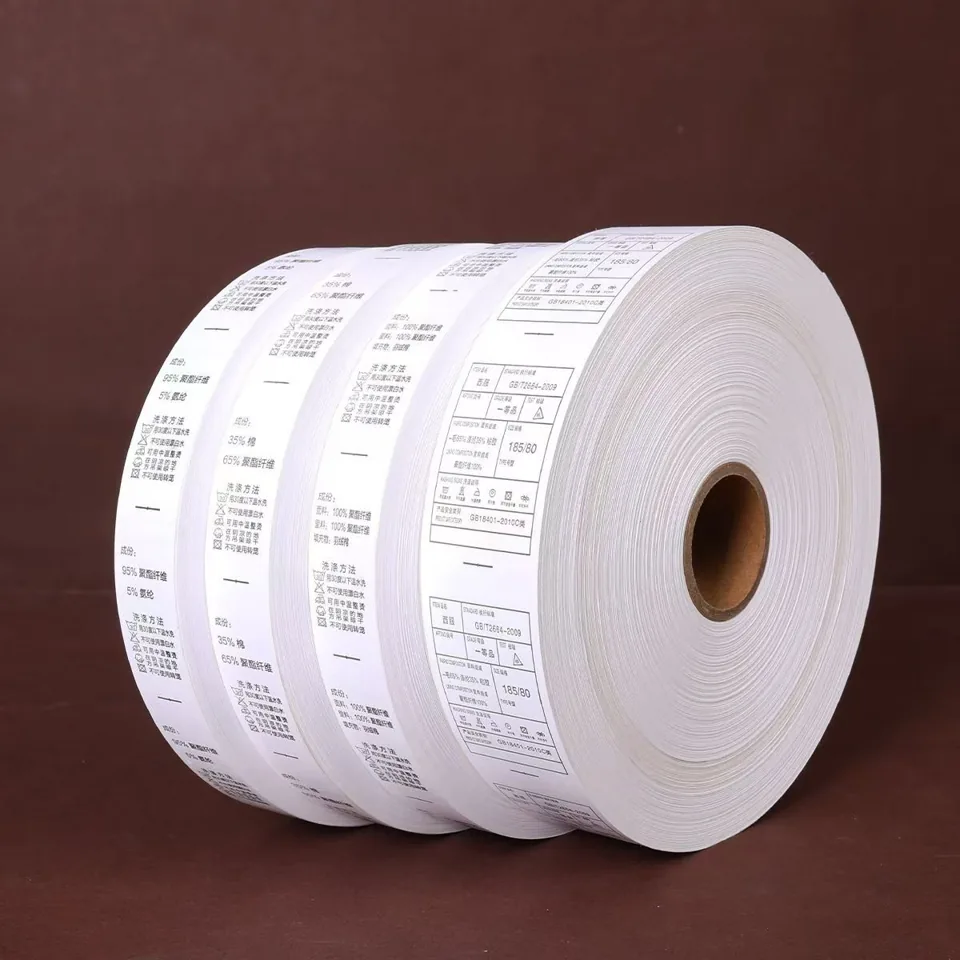
These real supplied photographs show satin colour and texture directions plus a printed care-label reference. They are independent development options, not fixed specifications for the garments pictured elsewhere.

PAJAMA FABRIC SOURCING
The right fabric brief connects fibre composition, weight, stretch, colour, finish and care requirements to the garment and target market. Website swatches show sourcing directions; they do not assign a fixed fabric to a pictured style.
State the preferred fibre content and weight or send a physical reference. Confirm the final specification before sampling.
Explain whether the project needs woven satin, cotton, a stretch knit or another direction, plus the drape and touch you expect.
Share colour references and specify piping, buttons, elastic, thread and other trims that must be coordinated.
State destination-market testing and care requirements in the brief. Scope, arrangements and costs are confirmed before work begins.
Include the product category, target composition, approximate weight, stretch, finish, colours, quantity and destination market. Current availability, exact construction and any required testing are confirmed for your project.
Review material reference notes →Compare woven and knit pajamas →Approve labels and packaging →BUYER QUESTIONS
Include the product, composition and construction direction, weight or reference, stretch and handfeel, colour or print, quantity, destination market and approval method.
No. They show independent sourcing directions. The final fabric, colour and specification are confirmed for each buyer project.
No. Satin describes a construction or appearance direction. Fibre composition must be stated and confirmed separately.
Share piping, elastic, buttons, lace, binding, thread and label requirements. Availability, minimums, colour matching and cost are confirmed against the brief.
Connect the approved material reference to the current sample, colour or print approval, trim set and specification version before bulk production.
LET’S TALK ABOUT YOUR COLLECTION
Tell Jamie what you have in mind. Minimum order: 100 pieces per style per colour.