BUYER GUIDE / 10
How should a clothing brand write a pajama fabric specification sheet for a factory?
A fabric name alone does not define the material a sleepwear factory should quote or sample. Record the garment use, fibre composition, construction, weight, width, stretch, handfeel, colour, finish, care and approval reference in one controlled brief.
Download the blank pajama fabric specification sheet
Use one row per decision. Record the target, reference source, approval status, owner and notes so quotation assumptions and approved sample details remain traceable.
The minimum fields for a useful fabric brief
| Field | What to state | Why it matters |
|---|---|---|
| Product and use | Style, season, target customer and intended silhouette | Connects material behaviour to the garment |
| Composition | Target fibre content or approved reference | Separates fibre from weave or knit name |
| Construction | Woven or knit structure and surface direction | Guides stretch, drape and sewing decisions |
| Weight and width | Target units and tolerance or a physical reference | Supports yield, opacity and handfeel review |
| Performance | Stretch, recovery, drape, opacity and shrinkage review | Defines sample and approval checks |
| Appearance | Colour, print, lustre, texture and finish | Controls the visual target and approval method |
| Care and testing | Destination market, care basis and buyer-required tests | Allows scope and cost to be confirmed before work |
1. Start with the garment, customer and intended use
Identify the product category, silhouette, season, target customer and intended use. A loose woven set, stretch knit lounge set, robe and nightdress place different demands on drape, recovery, opacity and seam construction.
2. Keep fibre composition and fabric construction separate
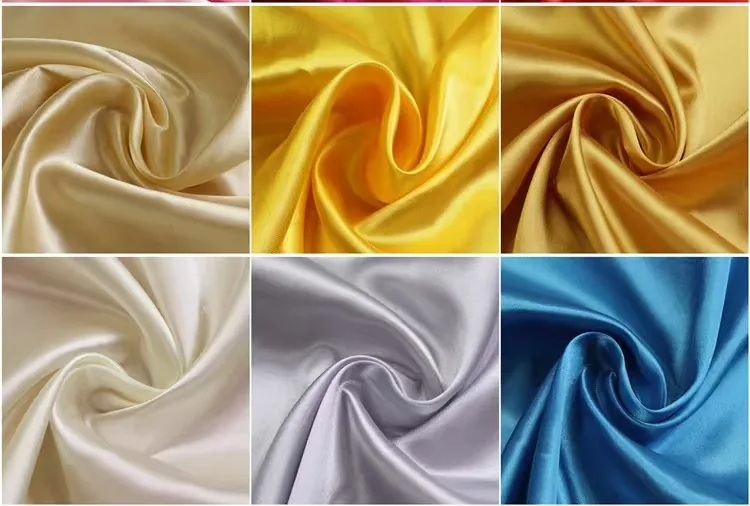
Record the intended fibre content separately from the woven or knit construction. Names such as satin describe a construction or appearance direction and do not by themselves establish fibre composition. If the composition is not fixed, mark it as a target to confirm rather than presenting it as approved.
3. Use clear units for weight, width and tolerance
State the target weight with its unit, usable width and any agreed tolerance. If the starting point is a physical swatch, identify the swatch and record which properties must be matched. Confirm final values with the selected material before the sample is approved.
4. Define stretch, recovery, drape, handfeel and opacity
For stretch materials, record direction and expected recovery. For fluid or lightweight materials, describe drape, surface feel and opacity in relation to the garment. Use a physical reference and approved sample where words alone could be interpreted differently.
5. Control colour, print and finish with references
Provide a colour reference, print artwork or physical standard and state the approval method. Record print scale, direction or placement where relevant. Include surface finish, lustre, brushing, washing or other appearance requirements only when they are part of the approved brief.
6. List trims that interact with the fabric
Record piping, elastic, thread, buttons, lace, binding and labels that must coordinate with the material. Their colour, weight, stretch, attachment and care behaviour can affect the complete garment and should be reviewed with the sample.
7. State care, testing and destination-market inputs
Tell the factory where the product will be sold and which care or testing requirements your brand wants quoted. Testing scope, method, laboratory, acceptance criteria, timing and cost must be agreed for the project. The brand or importer remains responsible for confirming applicable market requirements with its adviser.
8. Freeze one approved material reference before bulk
Connect the final material reference to the approved garment sample, measurement chart, colour or print approval, trim set, care decision and current specification version. Record open deviations and who accepted them. Do not let a marketing name or an earlier quotation replace the approved production reference.
What should you send for a fabric sourcing quotation?
Send the style or tech pack, product use, target composition and construction, weight or physical reference, stretch and handfeel needs, colour or print, quantity per style and colour, size breakdown, destination market, required tests and timing. Availability, minimums, exact specification and cost are confirmed with the actual brief.
Use the manufacturer quote checklist →Compare woven and knit directions →Control the sample approval →
PREPARE A MATERIAL BRIEF
Give the factory a specification it can assess.
Jamie can review your product, fabric direction, quantities and development inputs for quotation and sampling.
Request a quotation ↗Review fabric sourcing →Review material references →